The Real Reason Reporting Matters: Turning E-commerce Data into Decisions
Ever found yourself drowning in data, staring at endless spreadsheets, and wondering if you're actually getting anywhere? If so, you're not alone. This challenge recently sparked a great discussion in an online community I follow, where the original poster hit the nail on the head: “Good reporting is not about sending spreadsheets. It is about identifying trends, understanding performance, and making better decisions faster.”
That simple statement cuts right to the core of why so many store owners, whether you’re running a thriving Shopify store, a flexible WooCommerce setup, or a robust Magento platform, often feel overwhelmed by analytics. The goal isn't just to collect data; it's to transform that data into actionable insights that propel your business forward.
Beyond the Spreadsheet: Uncovering Real Trends
Let's face it, spreadsheets can be useful for raw data, but they rarely tell the full story on their own. As the community member pointed out, the real magic happens when you start to identify trends. What does this look like in practice?
- Sales Seasonality: Are your sales consistently higher in certain months? Understanding these patterns helps you plan inventory, staffing, and marketing campaigns more effectively.
- Product Performance: Which products are your consistent best-sellers, and which are gathering dust? Are there regional preferences? Spotting these trends can inform your product development and merchandising strategies.
- Customer Behavior: Are customers frequently abandoning carts at a specific stage? Are they returning products from a particular category? Trends in customer behavior can highlight friction points in your user experience or product quality issues.
This isn't just about looking at last week’s numbers; it’s about comparing them to last month, last quarter, and even last year. It’s about seeing the bigger picture so you can anticipate, rather than just react.
Understanding Performance: What Metrics Truly Matter?
Once you’re looking for trends, the next step is to truly understand your performance. This means going beyond vanity metrics and focusing on what impacts your bottom line. For instance:
- Conversion Rate: How many visitors actually make a purchase? A dip here could signal issues with your website’s usability, product descriptions, or pricing.
- Average Order Value (AOV): Are customers buying more than one item, or are they consistently purchasing low-value products? Strategies like bundling or upsells can directly impact your AOV.
- Customer Lifetime Value (CLTV): How much is a customer worth to your business over their entire relationship with you? This metric is crucial for understanding the long-term health and profitability of your customer base.
- Traffic Sources: Where are your most valuable customers coming from? Are your paid ads delivering high-converting traffic, or is organic search your strongest channel? Knowing this helps you allocate your marketing budget wisely.
And speaking of organic search, for store owners on platforms like WooCommerce, understanding where your products rank for key search terms is incredibly important. A reliable WooCommerce keyword rank tracker isn't just a nice-to-have; it's a vital part of your reporting arsenal, telling you if your SEO efforts are paying off and where you need to adjust your strategy to capture more organic traffic. Without this kind of insight, you're essentially flying blind in the competitive world of search engines.
Making Better Decisions, Faster: The Actionable Advantage
The ultimate purpose of good reporting, as the original poster succinctly put it, is to make better decisions faster. When you have clear, concise insights, you're empowered to act decisively. Imagine:
- Optimizing Marketing Spend: If your reports show that Facebook ads are driving significantly more high-value conversions than Google Ads, you can shift your budget accordingly, maximizing your ROI.
- Streamlining Inventory: By identifying slow-moving items through performance reports, you can run targeted promotions to clear stock, preventing dead inventory and freeing up capital. Conversely, knowing your best-sellers helps you reorder proactively.
- Enhancing Customer Experience: Reports highlighting high bounce rates on specific product pages or consistent customer service inquiries about a certain product feature can guide immediate improvements to your website or product information.
It's about moving from guesswork to informed strategy. Instead of wondering why sales are down, you can pinpoint that a recent change to your checkout flow caused a drop in conversion, or that a competitor's pricing strategy is impacting your market share. This clarity empowers you to implement solutions quickly, minimizing potential losses and capitalizing on opportunities.
EShopSet Team Comment
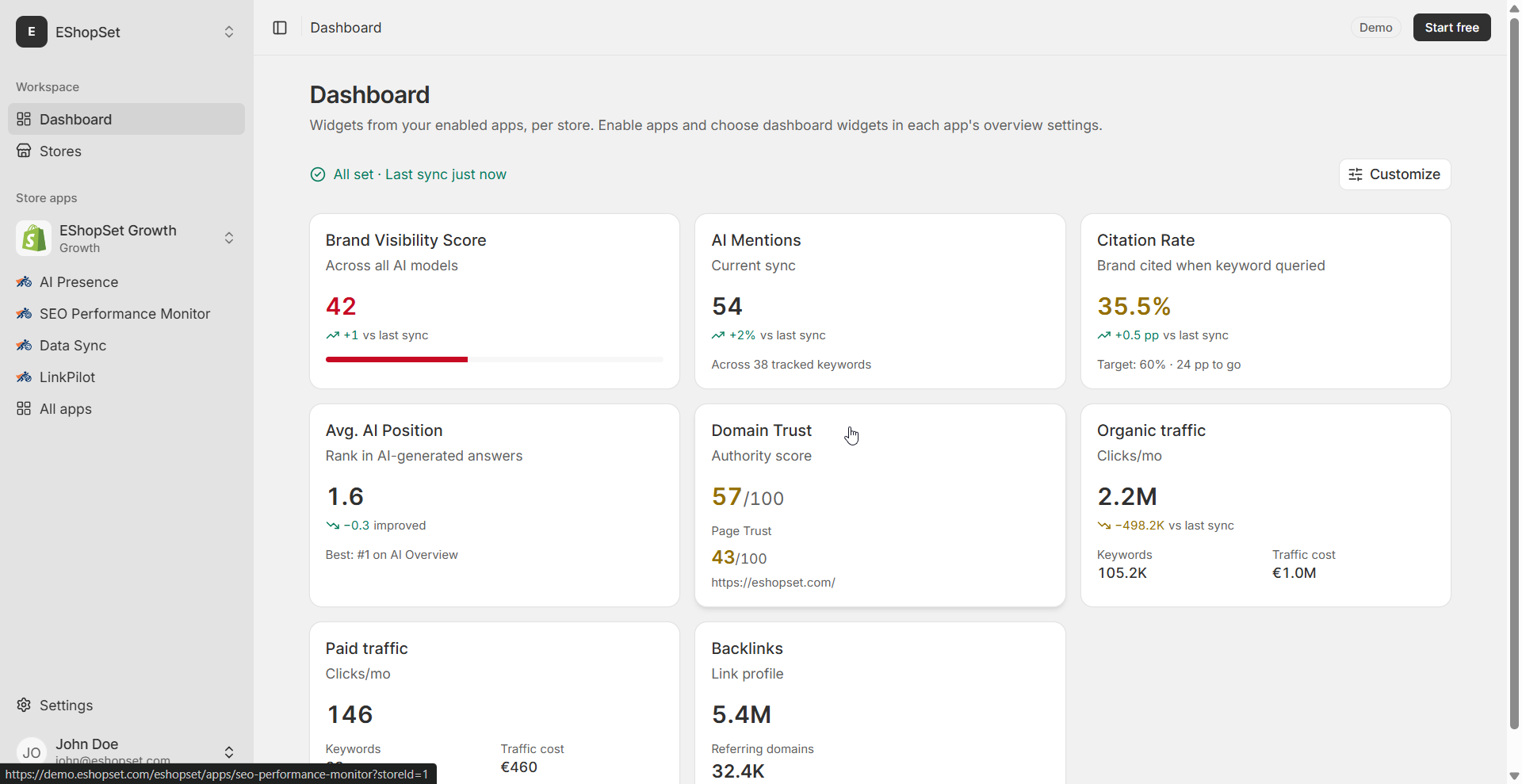
We absolutely agree with the sentiment that reporting isn't about data dumps, but about actionable insights. Many store owners struggle with fragmented data across various apps and platforms. At EShopSet, we believe the solution lies in consolidating these insights. Our app bundle approach, particularly through our monitoring and analytics apps, is designed to bring your key performance indicators into one configurable dashboard. This allows you to track trends, understand performance across different channels, and ultimately make those critical decisions faster, without having to chase down spreadsheets from disparate sources.
So, next time you think about "reporting," shift your perspective. It’s not a chore; it’s your compass. It’s the difference between navigating your ecommerce journey by guesswork and steering with precision. By embracing smart, integrated reporting, you're not just tracking numbers; you're building a more resilient, profitable, and future-proof business.