Supplier Snafu? How Shopify Merchants Navigate Customs Delays & Stockouts
Ever had that gut-wrenching call from a supplier? You know the one. The one where they tell you a major shipment, full of your eagerly awaited products, is stuck in customs. That’s exactly what happened to one of our community members recently, sharing their panic about 150 orders held up due to a wrong HS code.
The original poster was facing a nightmare scenario: best case, a delay; worst case, the entire shipment destroyed. They were scrambling to find a new supplier to rush inventory to their warehouse, just to keep orders flowing. It’s a situation no Shopify merchant ever wants to be in, but unfortunately, it happens. So, how do you tackle it?
Don't Just Wait: Work Both Angles
The consensus from the community was clear: don't put all your eggs in one basket. As one respondent wisely put it, it's crucial to "work both angles at the same time." This means two parallel tracks of action:
- Resolve the Customs Issue: Have your customs broker or freight forwarder actively work to fix the paperwork.
- Secure Emergency Inventory: Simultaneously, line up a backup plan for new stock, even if you hope you won't need it.
Navigating the Customs Maze
Get a Customs Broker – They're Gold!
If you don't have one already, this is the time. Multiple community members stressed the invaluable role of a customs broker. They are experts in the intricacies of international shipping and can navigate the bureaucracy far more efficiently than you can alone. They’re worth their weight in gold, as one person put it.
Paperwork Fixes Are Common
For clerical errors like incorrect HS codes, many respondents shared experiences of quick resolutions. "Every clerical mistake I ever saw was cleared up pretty quickly with a fax," noted one member. Customs officials generally want to clear goods, not hold onto them indefinitely. While it might take a few days, it's rare for a shipment to be destroyed over a paperwork error. Expect that it will likely be recategorized, and you might incur additional charges based on the correct HS code.
Preventative Measures: Supplier SOPs
Looking ahead, a powerful preventative step is to establish clear Standard Operating Procedures (SOPs) with your suppliers. This ensures they have the correct customs information, HS codes, and documentation before shipping. Having these records readily available can significantly speed up resolution if an issue does arise.
Managing Inventory During a Crisis
Prioritize Your Orders
With 150 orders potentially impacted, you can't treat them all equally. Another helpful piece of advice was to "rank the 150 orders by promised date and customer value." This helps you identify which orders truly justify the cost and effort of emergency replacement inventory. Focus on your most valuable customers or those with the earliest delivery dates first.
Source Emergency Stock Strategically
Finding a new supplier under urgent conditions can be tough, but it's often necessary. When you do, consider how quickly you can integrate their product data into your Shopify store. Tools that allow for a scheduled Shopify product sync can be a lifesaver here, enabling you to rapidly update your inventory levels and product details from a new source without manual data entry chaos. This keeps your store accurate and avoids selling products you don't actually have.
EShopSet Team Comment
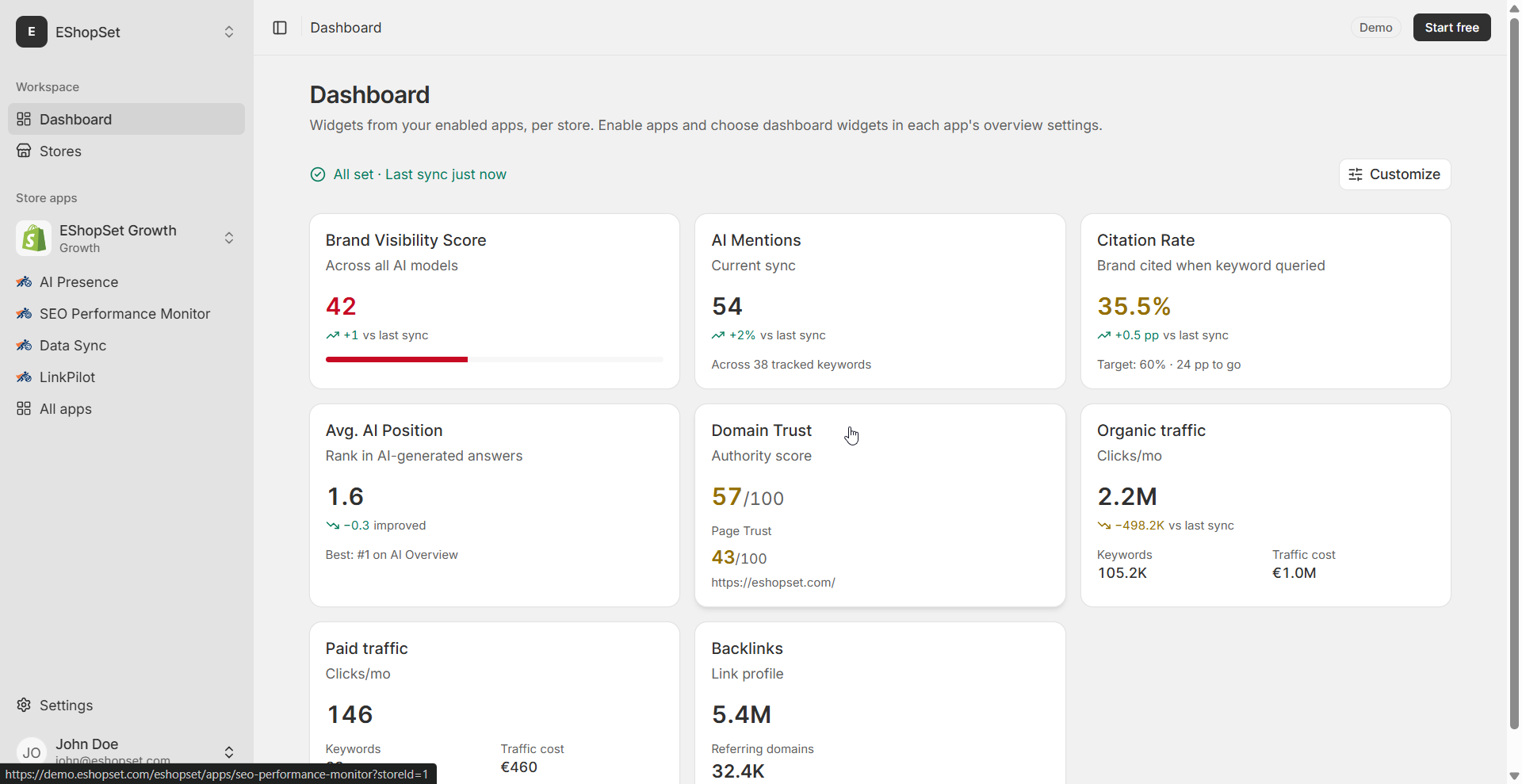
This discussion hits home for any merchant. While dealing with customs is tough, effective operational tools can soften the blow. For example, ensuring your product data is always accurate and quickly updateable is paramount – this is where Sheet2Cart shines, allowing for flexible and scheduled Shopify product sync to manage emergency stock or new supplier data without manual headaches. Keeping customers informed is also key to maintaining your brand's standing; our AI Presence app helps monitor your online mentions and can even assist in crafting consistent, reassuring messages, protecting your AI presence score Shopify store. And even when things go sideways, don't forget to keep an eye on your product page SEO – SEO Performance Monitor ensures you know if these disruptions are impacting your organic visibility, so you can act fast.
Communication and Brand Protection
While fixing the logistics, don't forget your customers. Proactive communication is vital. Inform affected customers about the delay, apologize, and provide updated timelines if possible. This transparency helps manage expectations and maintain trust. Your online reputation, or your AI presence score Shopify store, can take a hit if customers feel left in the dark. Using tools that help you monitor customer sentiment and quickly respond can make a big difference during these stressful times.
Ultimately, a customs snafu isn't the end of the world for your Shopify store. By taking immediate, two-pronged action – tackling the customs issue head-on with expert help while simultaneously securing backup inventory – you can minimize disruption and keep your business moving forward. Learning from these experiences to implement stronger supplier SOPs and leverage efficient inventory management tools will only make your operations more resilient in the long run.