Batch Businesses on Shopify: Turning Occasional Sales into Seamless Operations
Hey everyone, it’s great to connect on topics that truly impact our daily grind. I recently stumbled upon a really insightful community discussion about what it means to be a "small" seller in the ecommerce world, especially on platforms like Shopify. It sparked some fascinating points about how many businesses, particularly those operating with batch sales or drops, often feel underserved by the standard "always-open" store model.
Understanding the Unique Rhythm of Batch Businesses
The original poster in the discussion hit the nail on the head right away: many small businesses aren't "too small" for Shopify; they're just "shaped differently." Think about your local home baker who whips up goodies on Thursday, takes orders over the weekend, and packs on Monday. An online store that's perpetually open might not seem like the right fit for that kind of rhythm.
For these sellers, their primary tools are often Instagram DMs, Google Forms, Venmo, and a trusty spreadsheet. The real pain, as one community member pointed out, isn't necessarily a lack of sales, but the sheer admin burden: chasing payments, accidentally overselling products, and constantly answering "is the lemon loaf still available?" It's a manual, time-consuming process that can quickly become overwhelming.
Another key takeaway was the power of prepayment. Once customers pay upfront and select a pickup slot, no-shows largely disappear. This simple shift fixes more than any fancy checkout ever could, streamlining the entire fulfillment process.
The Cost-Benefit Balancing Act
The discussion also touched on a common sticking point: fees. While Shopify's base plan might seem "dirt cheap" to some, for a seller doing $300 on a busy weekend, a monthly plan plus app subscriptions and platform cuts can feel significant. This led to a lively debate about whether such businesses should even be on Shopify or stick to free social media tools.
My take? It’s not about whether you're "too small," but about finding the right balance of cost, simplicity, and features that support your unique business model. While DMs and spreadsheets are free, the hidden cost of manual admin, errors, and missed opportunities for growth can quickly outweigh a monthly subscription.
What's truly crucial is flexibility. As the original poster noted, one business might run weekend drops, custom cake orders with deposits, and a monthly cookie box subscription – all at once. Forcing them to use three different tools for these varied operations is where many give up. A single, integrated platform that can adapt to multiple selling styles is invaluable.
Making Shopify Work for Your Unique Flow
So, how do we bridge the gap for these batch-based businesses on Shopify? It comes down to smart setup and leveraging the right tools to automate the pain points.
-
Optimize for Batch Sales: Use Shopify's product settings to manage inventory carefully. For specific drops, you can set products to be available only during certain windows or use apps to pre-order. This prevents the nightmare of Shopify zero inventory from sheet sync errors that can happen with manual updates, ensuring your online stock accurately reflects what you can actually fulfill.
-
Streamline Order Management: Automated order confirmations, pickup slot selections, and payment processing directly address the "chasing payments" and "no-show" issues. Shopify handles this beautifully out-of-the-box, significantly cutting down on manual admin.
-
Enhance Customer Communication: Instead of endless DMs, use clear product descriptions, FAQs, and even chatbots to answer common questions. This frees up your time and provides a better customer experience.
-
Integrate Your Operations: If you're managing product data in a spreadsheet before bringing it to Shopify, look for ways to automate that transfer. The goal is to eliminate manual data entry and potential errors across different systems.
EShopSet Team Comment
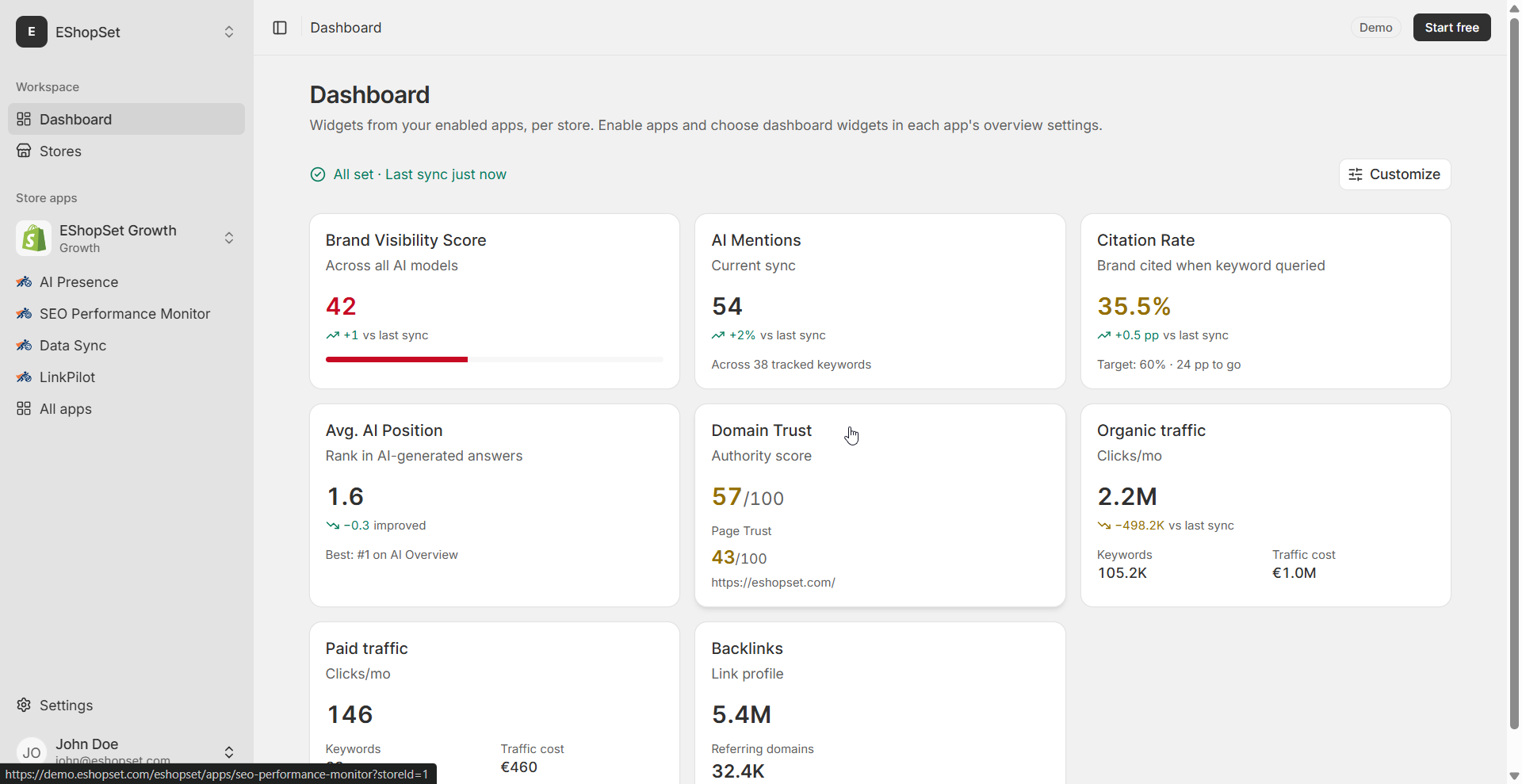
This discussion perfectly highlights the nuanced needs of many Shopify merchants. We strongly believe that even "small" or batch-focused businesses can thrive on Shopify with the right operational mindset and tools. The pain points of manual inventory, repetitive customer questions, and fragmented data are exactly what EShopSet's bundle of apps is designed to solve. Our Data Sync app, for example, can be a game-changer for ensuring your product catalog is always accurate and up-to-date, preventing those dreaded inventory discrepancies. For managing customer inquiries and enhancing product visibility, AI Presence can automate responses and improve content, while SEO Performance Monitor ensures your unique offerings are discoverable by the right audience.
Ultimately, whether you're running weekly drops or custom orders, Shopify offers a robust foundation. The key is to leverage its ecosystem to automate the drudgery, prevent errors, and free you up to focus on what you do best – creating amazing products and connecting with your customers. Don't let the perception of being "too small" hold you back from building a scalable, efficient online business.